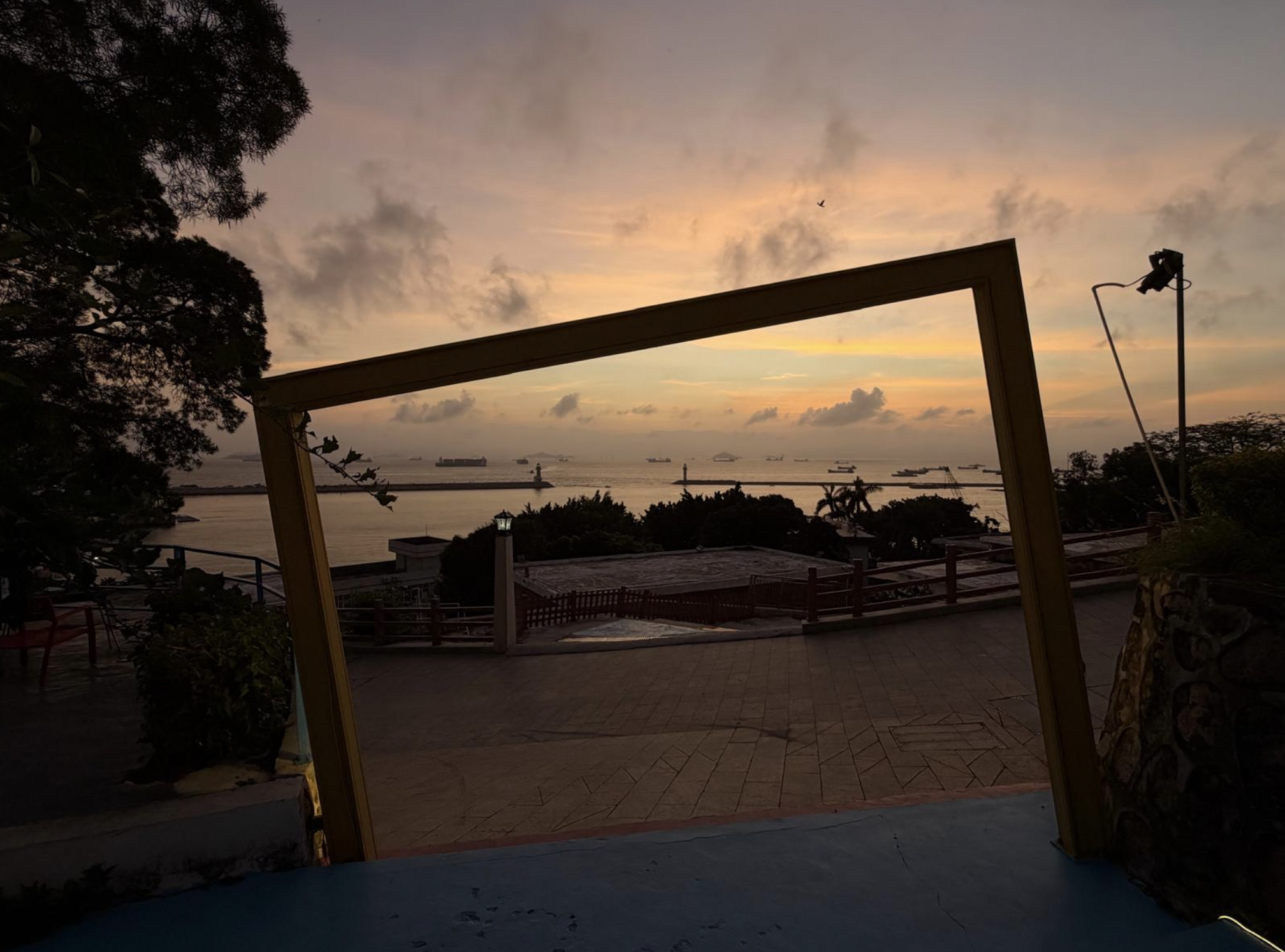
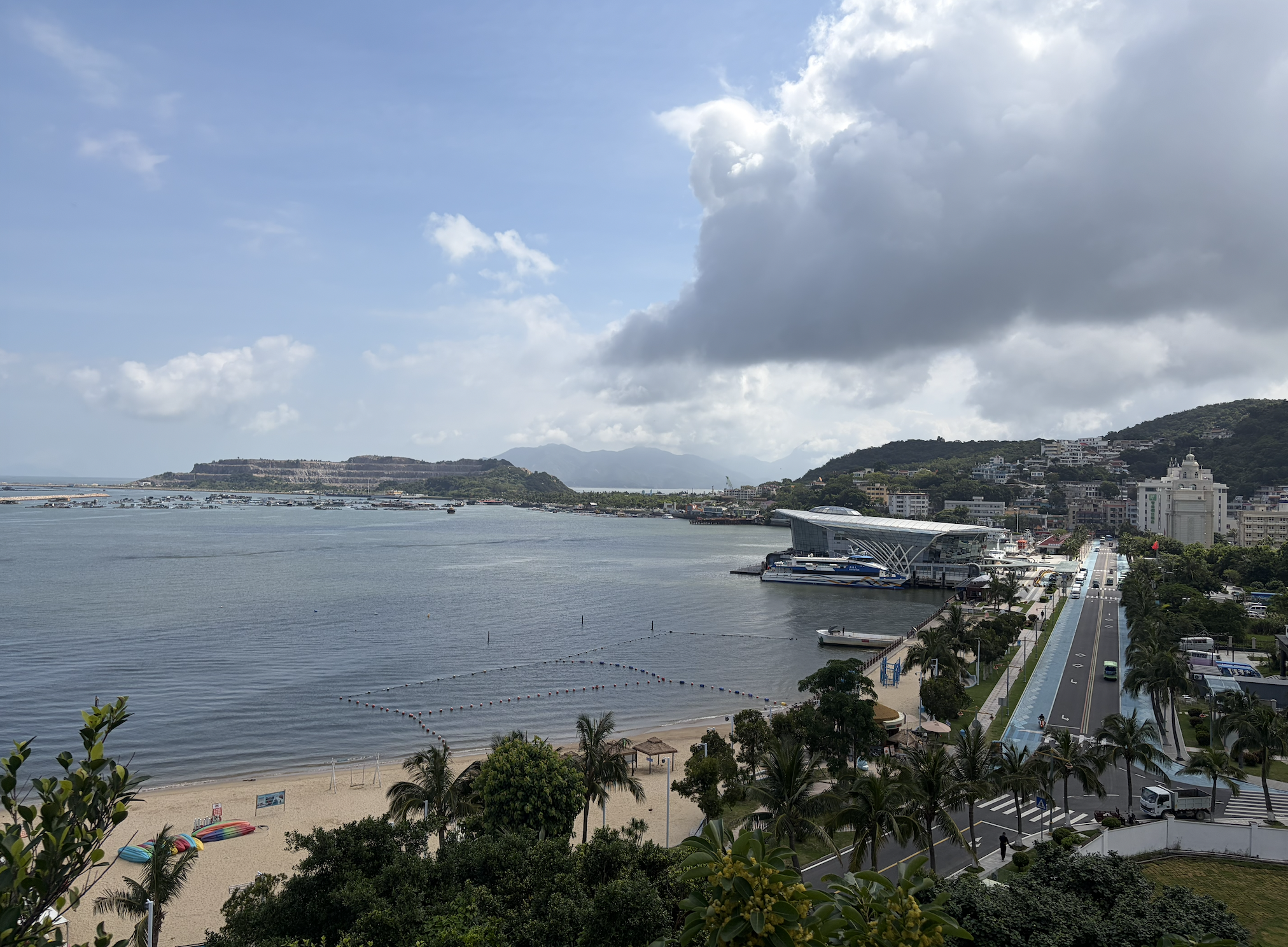
On Zhuhai’s Guishan Island (桂山島), in the middle of the Pearl River Delta between Hong Kong and Macao, a ghost town straddles the sandy shores. Just three nautical miles from Lantau Island, the concrete shells of a sprawling yacht marina and high-end holiday resort now sit silent in the mud. The pontoons float in disarray, before steel scaffolding long ago yellowed with rust.
This is the Guishan International Yacht Resort Center, a project that just a few years ago promised to “pave the way to prosperity” for islanders. It was due to begin trial operations in 2024, before officially opening to the world in 2025 — but in 2026, it looks like a marine equivalent to the “ghost cities” caused by rapid urbanization and speculative investment in mainland China’s interior.
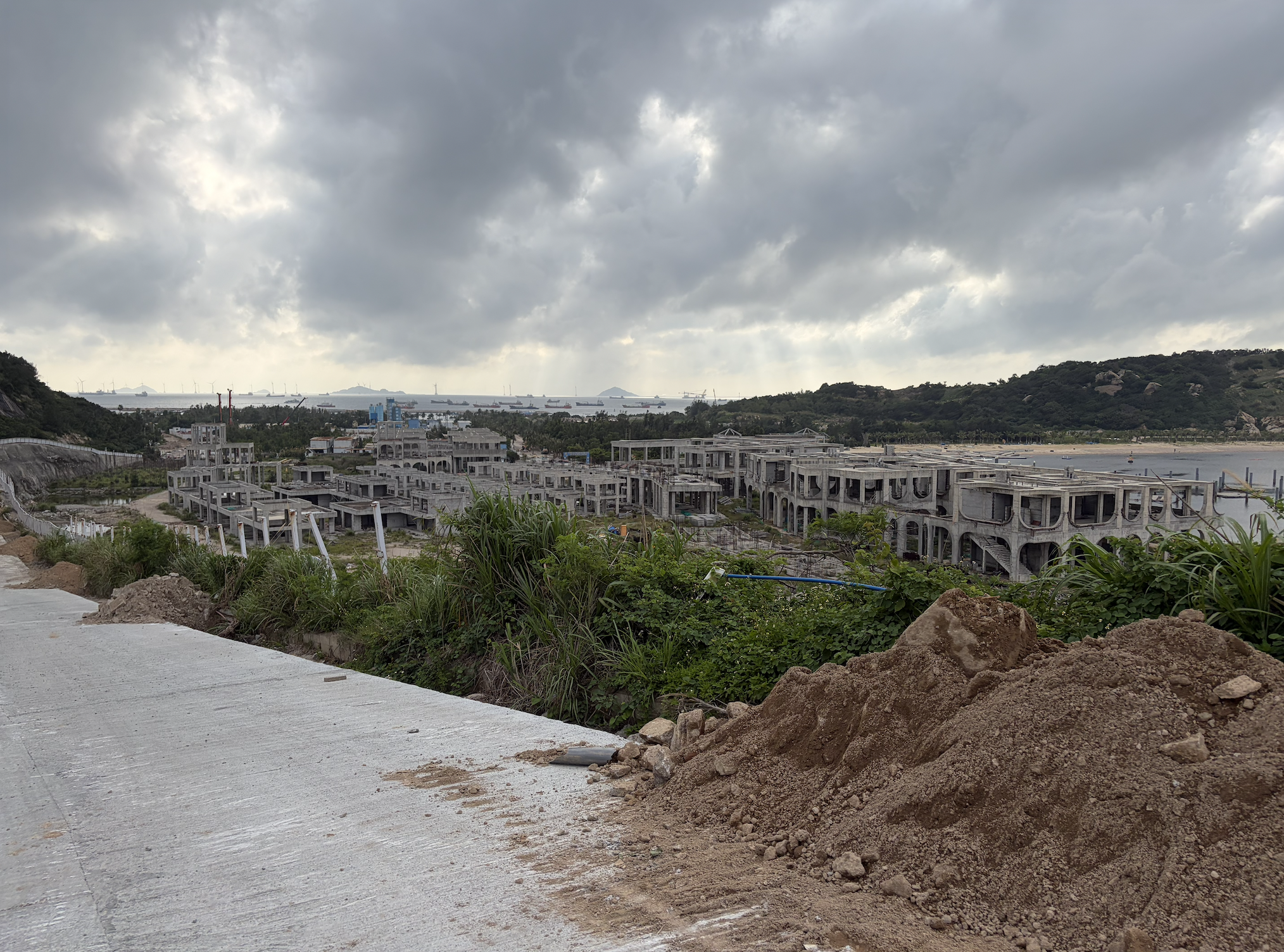
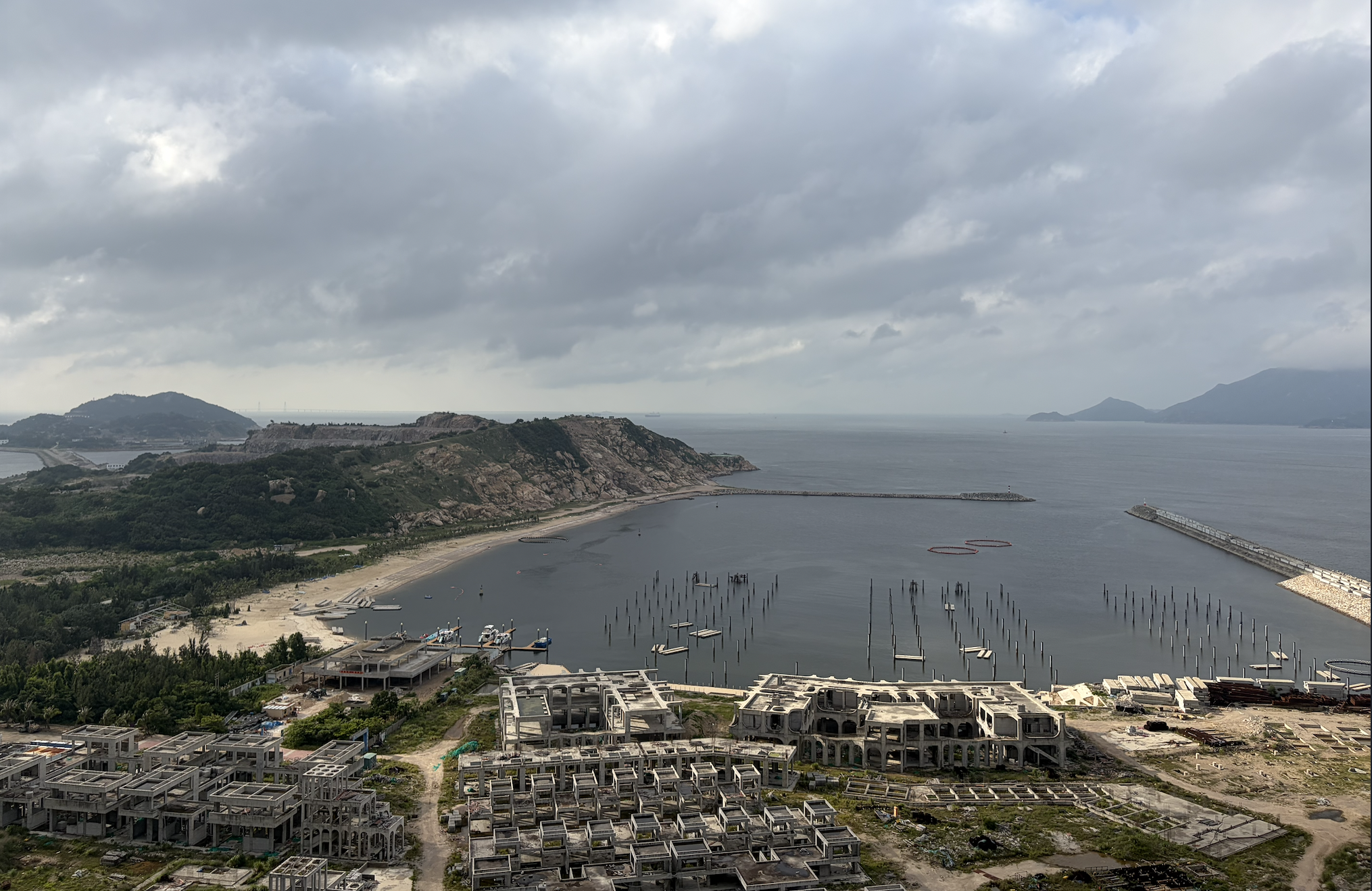
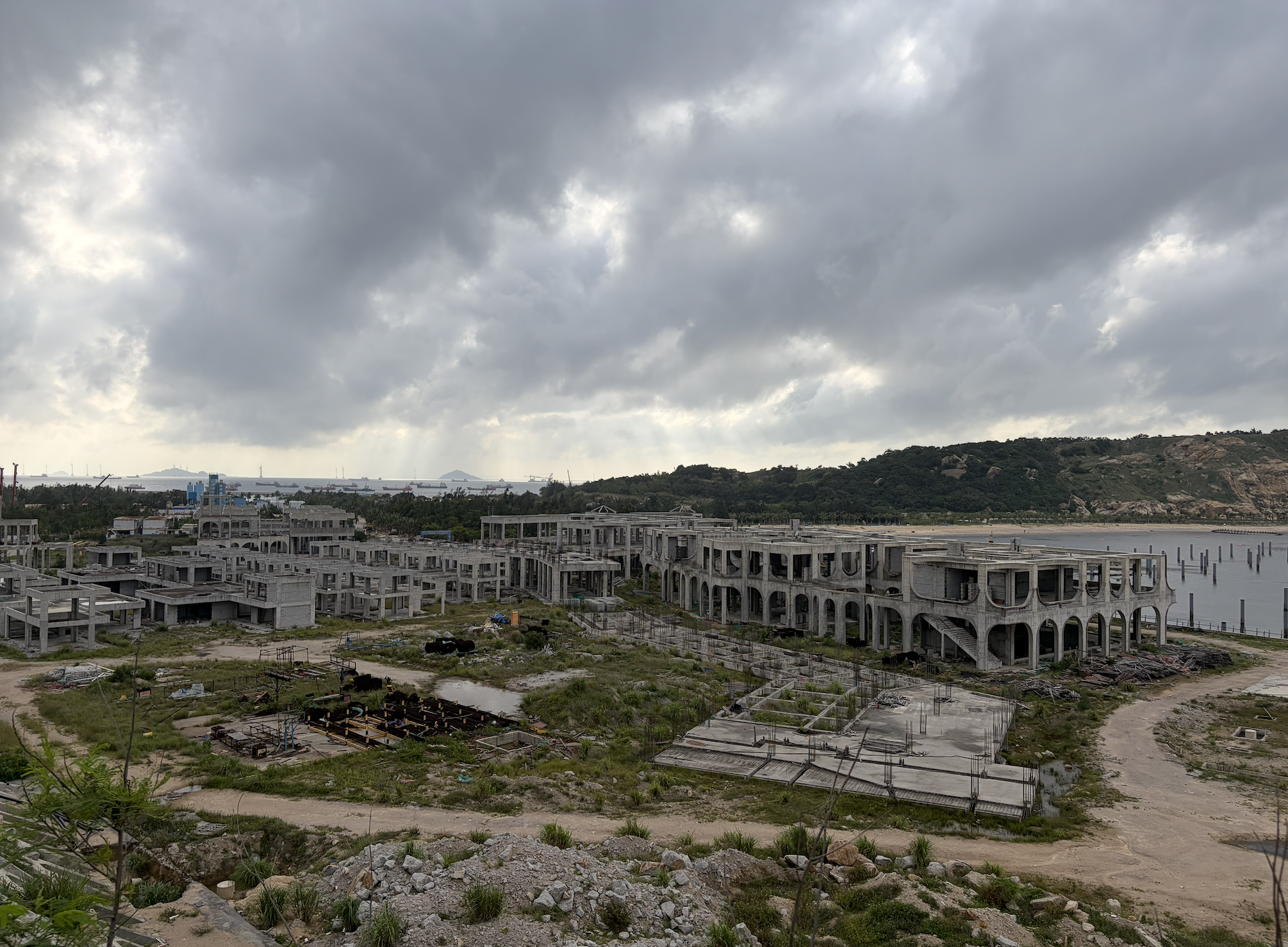
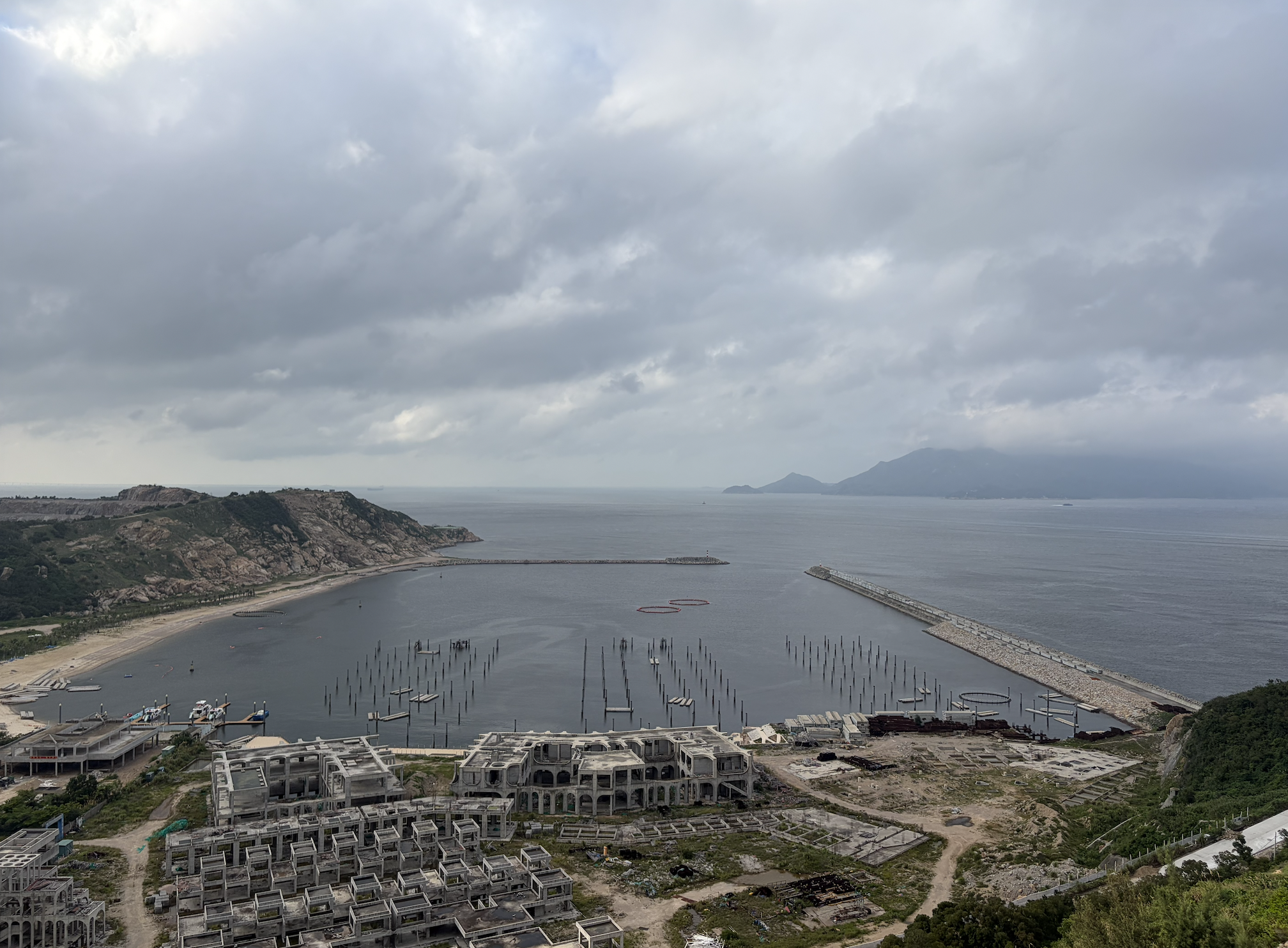
In 2023, local news portal Zhuhai Web (珠海網) reported that “preliminary work” had already begun on 118 yacht berths. On shore, a 10,000-square-metre development promised luxury hotel villas, a shopping district, water sports, and conference services. The little island was betting big on unrestricted yacht travel across the Greater Bay region. “Guishan is situated at the heart of the Greater Bay Area, roughly equidistant between Hong Kong and Shenzhen on the eastern shore, and Macao and Zhuhai to the west,” effused an executive with developer Hangzhou Group (鸿洲集团). “Sailing from Guishan to Hong Kong, Macau, Shenzhen, and Hengqin is extremely convenient.”
The stillborn development is a testament to the high hopes harboured by many for free yacht travel across the Greater Bay Area — and to how those high hopes have been left hanging by slower-than-anticipated policy development.
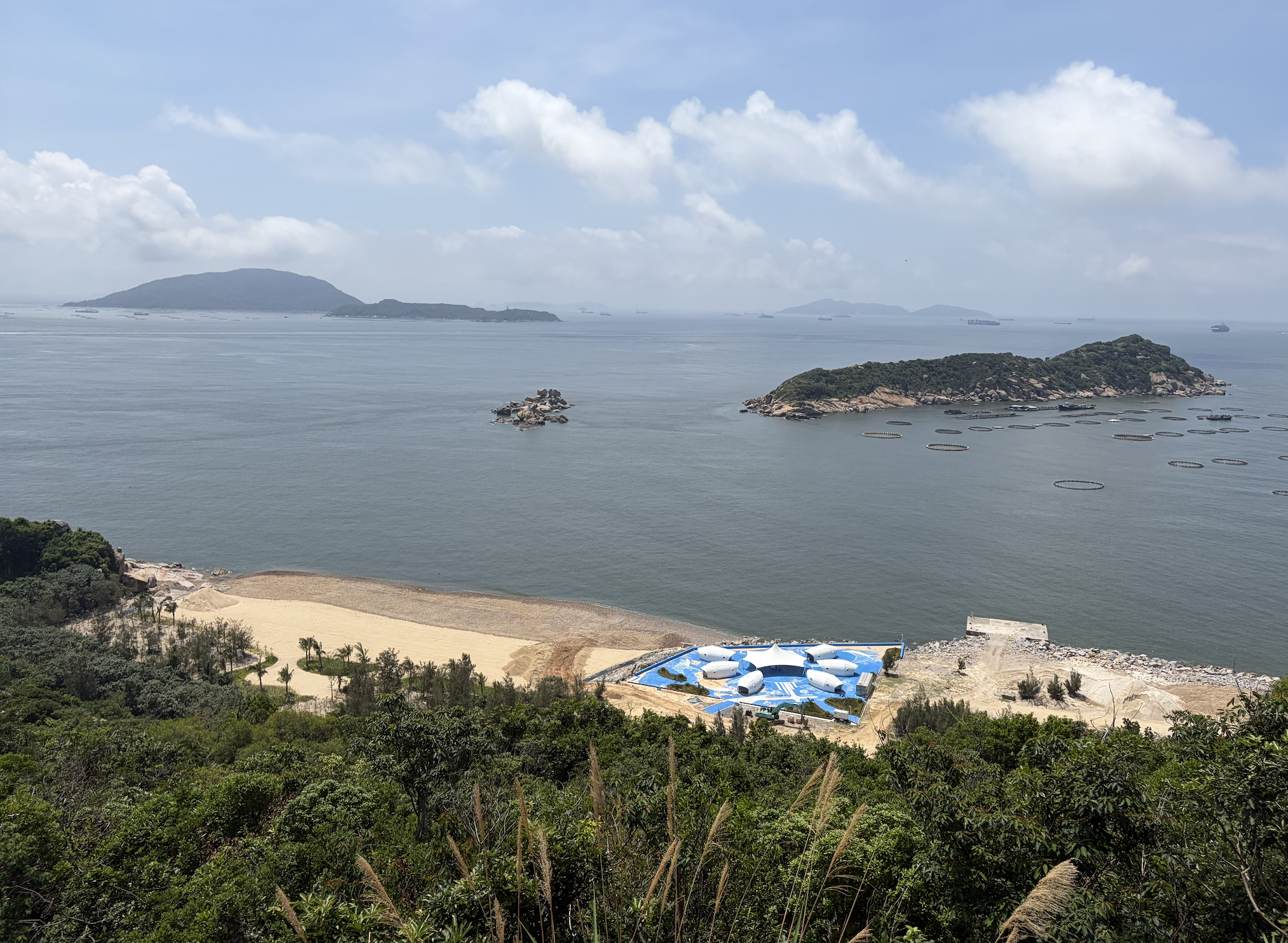
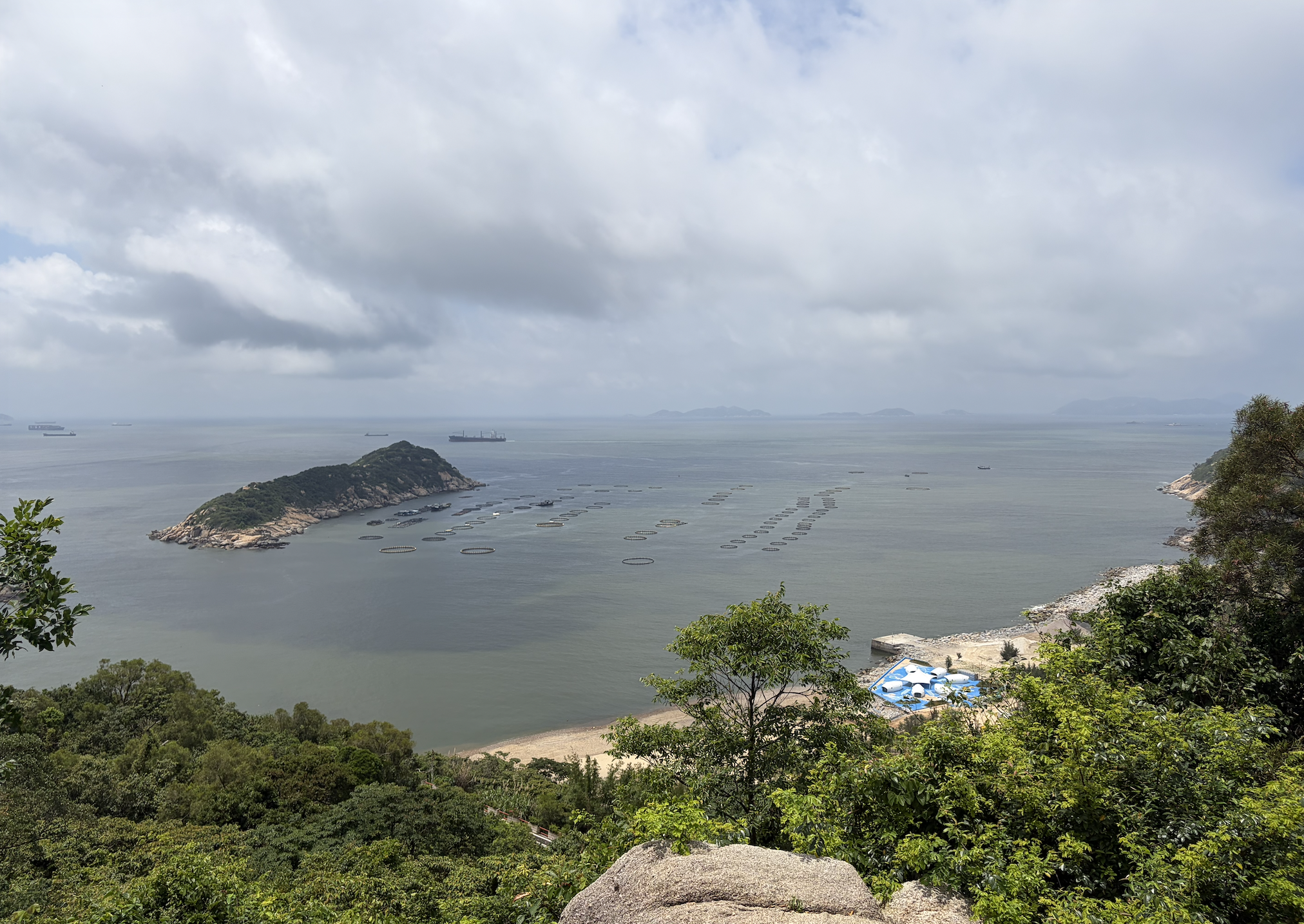
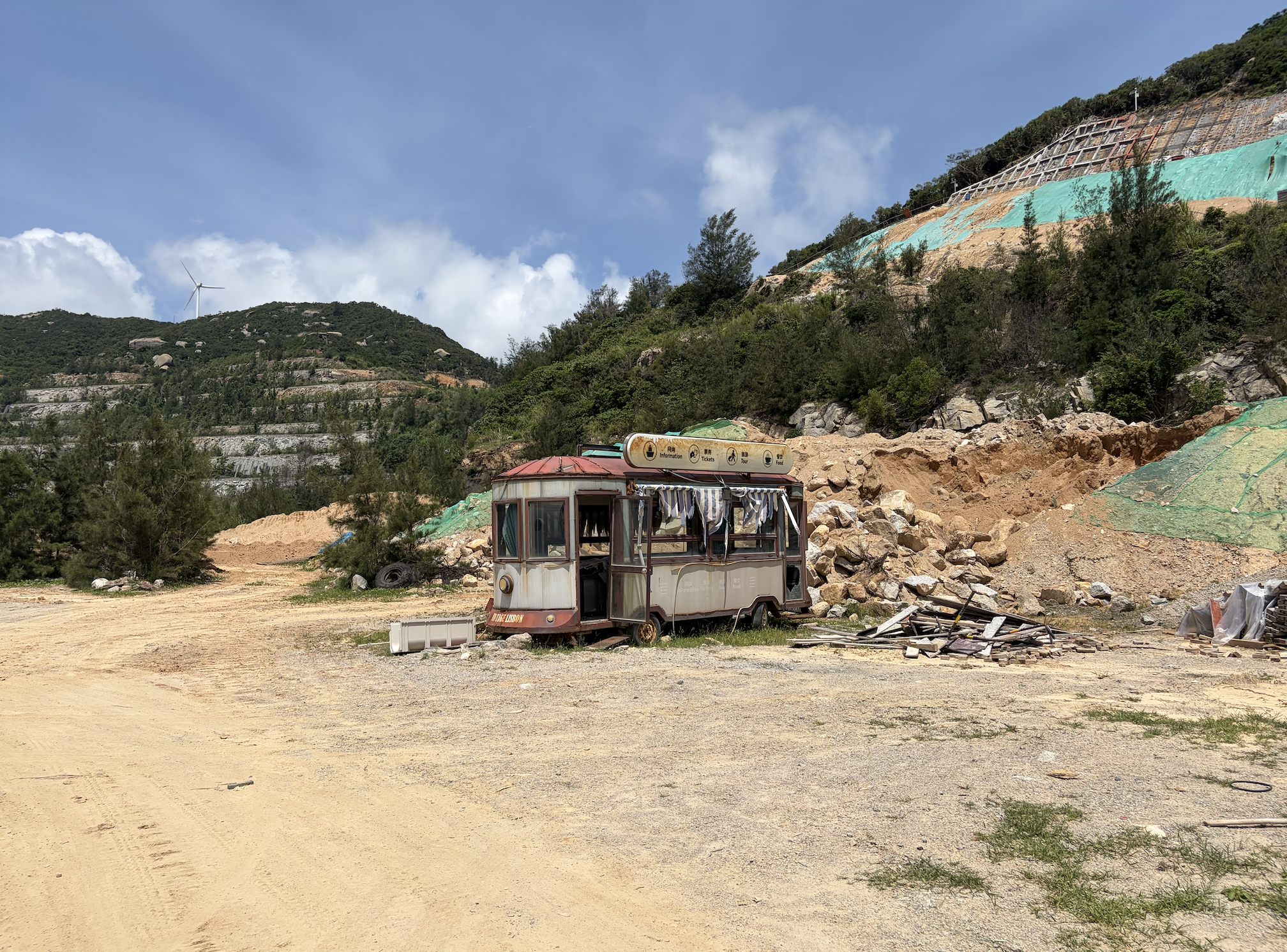
A similar story unfolds at Seventh Bay, or Qiwan (七灣), on the island’s southeastern coast. Tourist maps indicate that the beach is home to a “water sports centre” (水上運動中心). A set of futuristic-looking pods has already been installed, yet much of the road down to Qiwan from the main, round-island thoroughfare remains unpaved. A ticket kiosk and food truck beside the space pods have been gathering rust for years. Mounds of fine sand have been trucked down to create an artificial beach atop the otherwise rocky coast, but this still sits piled in dunes up the shore. Instead, marine refuse and dead fish cover the rocks. This is unsurprising: the channel between Qiwan and Zhenxiangwei Island (枕箱尾島) is dotted with deep-sea aquaculture cages, which adversely affect water quality by loading nutrients, depleting oxygen, and discharging chemicals from uneaten feed and fish waste.
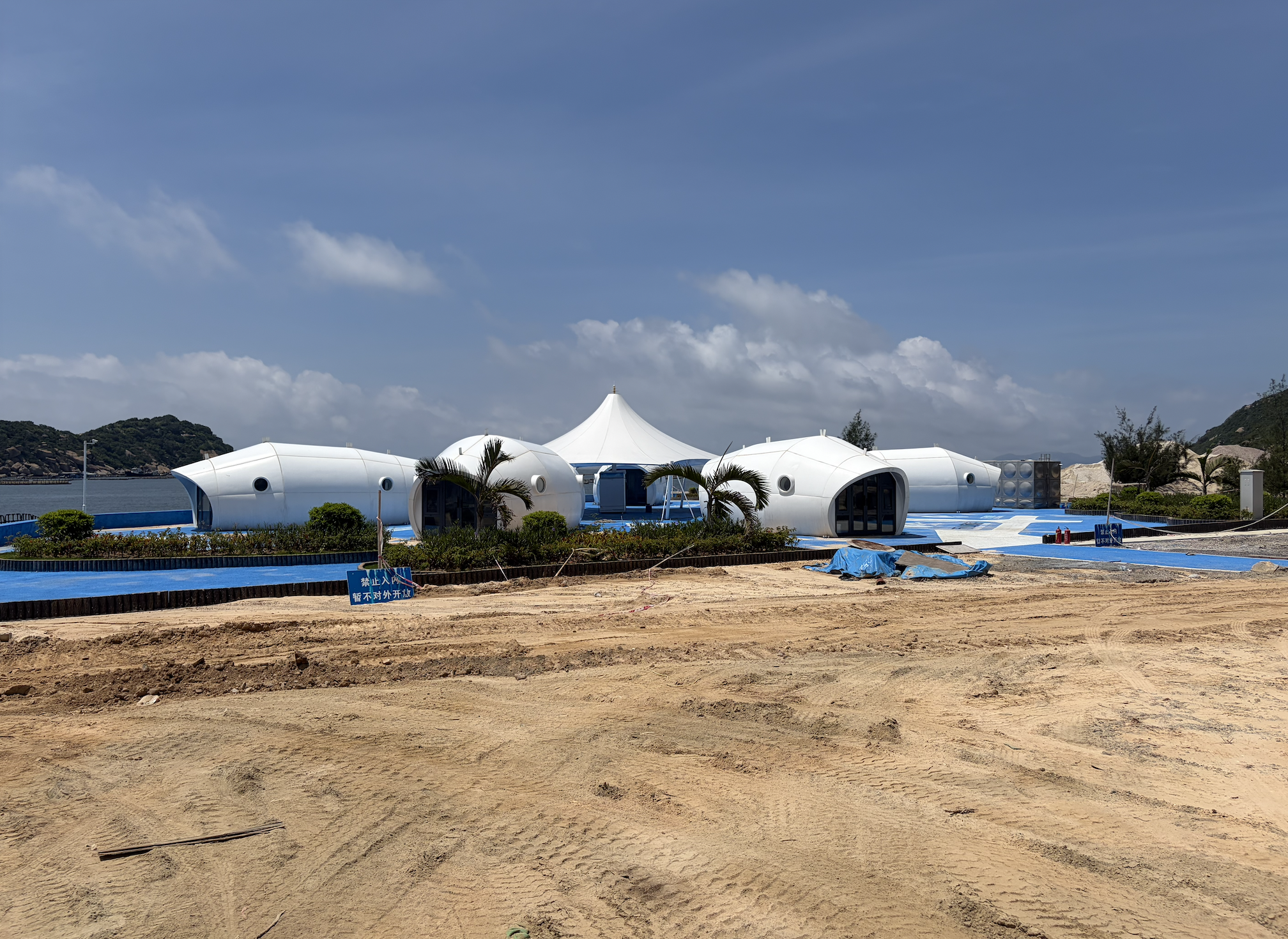
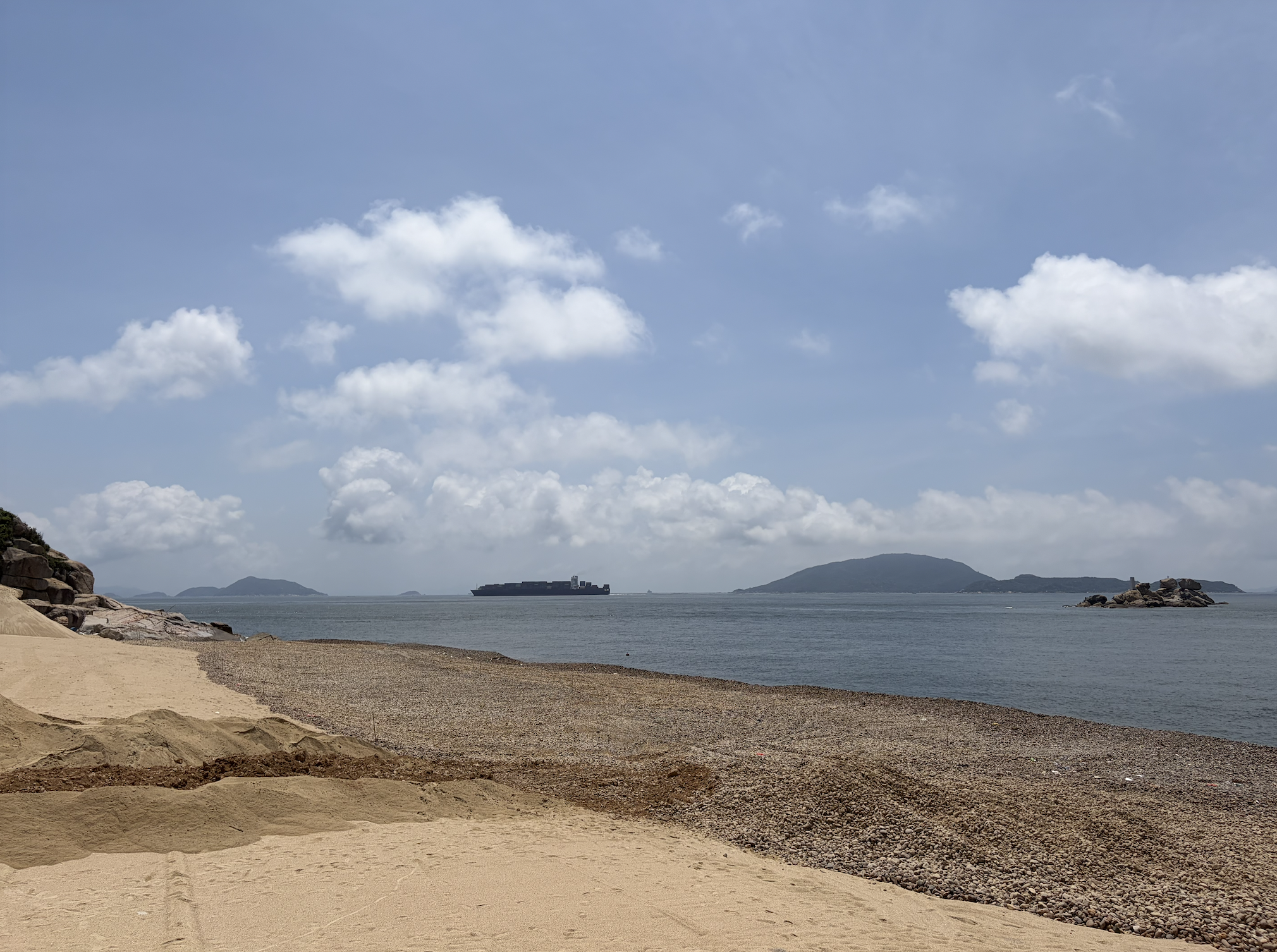
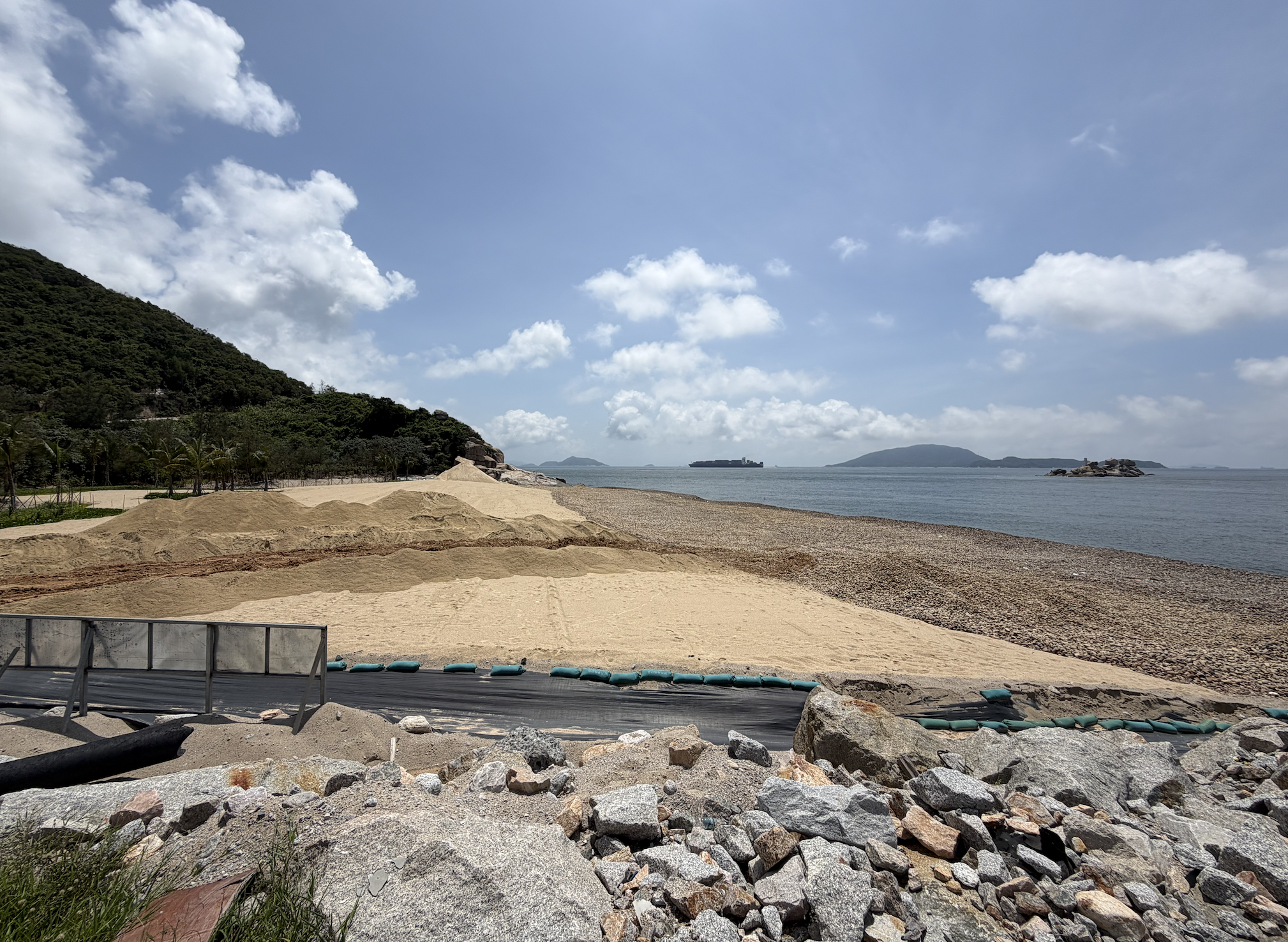
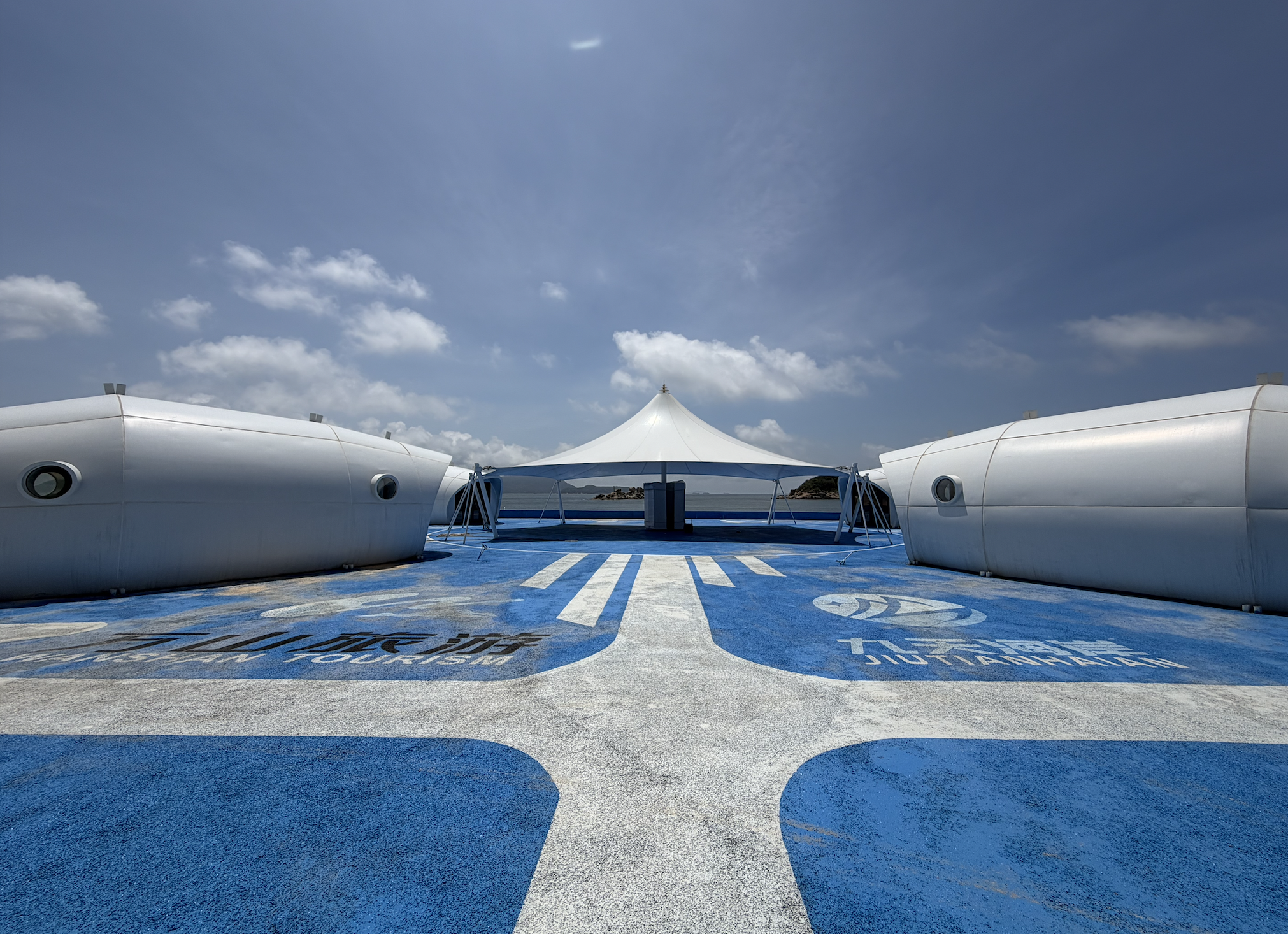
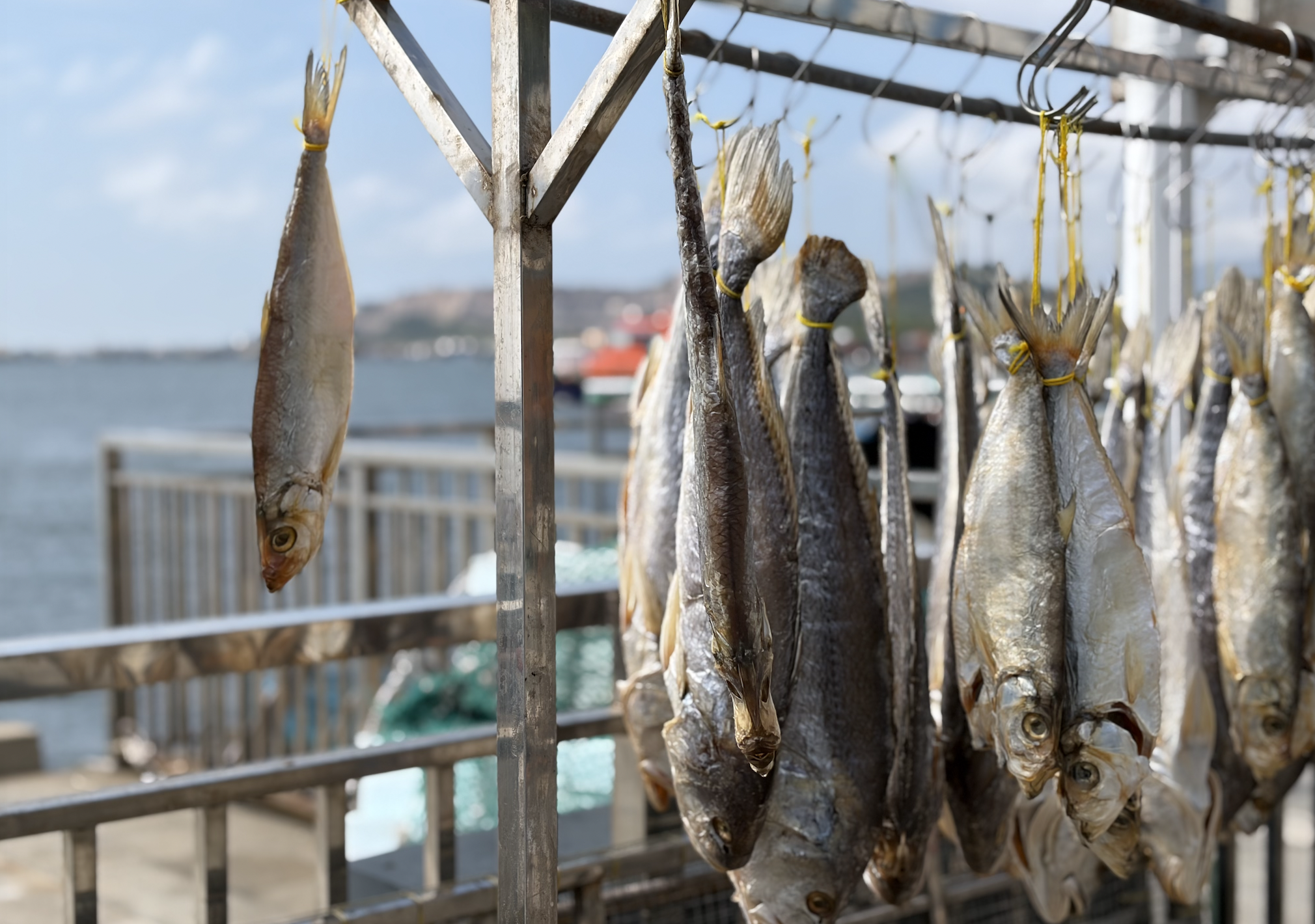
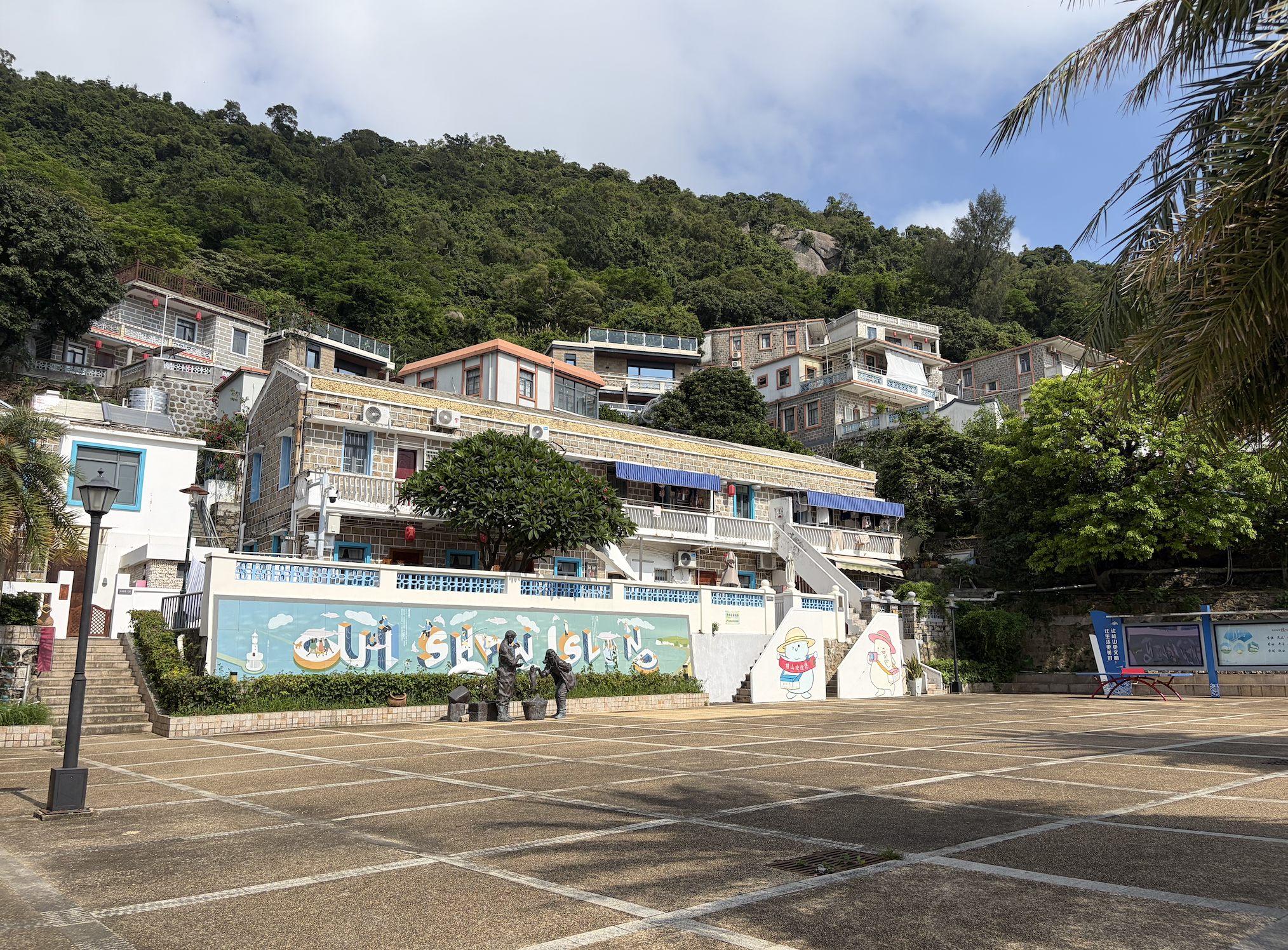
But none of this means that Guishan as a whole is struggling. Elsewhere, the tiny island is abuzz with activity: on sloping Aimin Road (愛民路), crowds of day-trippers pose for photos amid the charming, hillside homes; at the memorial park dedicated to the PLA warship that gave the island its name, a steady stream of visitors file past; and outside the dai pai dong (大排檔) restaurants that spill out onto the streets, salivating diners circle fish tanks to inspect the day’s catch. The mood among restaurant owners and staff, many of whom have moved from elsewhere to seize this business opportunity, remains optimistic. As a picturesque weekend getaway for nearby city slickers to kick back and enjoy a fresh seafood banquet, Guishan is succeeding. But as a regional yachting and water sports destination, its prospects look uncertain.
As Hong Kong policymakers hone in on promoting the regional “yacht economy,” Guishan’s “road to prosperity” may still lie ahead. The loosening of restrictions on boat owners based in the Special Administrative Region could still offer a lifeline to this idyllic and promising, if over-ambitious, little island.